
In livestock management, progress is often most effective when it builds on what already works.
Rubber ring such as The Original Elastrator® Rings have long been an established method for both castration and tail docking. Its continued use across the industry highlights its value as a practical and well understood approach to flock management and animal welfare in Scotland and the UK
Rubber rings are the preferred method for castration and tail docking. This is due to their simplicity of application, cost-effectiveness, and high reliability, ensuring they achieve the desired outcome with minimal risk or complications. This is reflected in industry data, with the NFU reporting in 2024 that 87% of respondents routinely use rubber rings for castration and 93% for tail docking. Ring use is, without doubt, a well understood method that is integrated into farming practice in Scotland* and across the UK.
*Legislation in Scotland now states you are allowed to castrate or tail dock a lamb with a ring after 7 days, if you use a local anaesthetic.
Numnuts® is designed to be used on lambs older than 7 days.*
When the Numnuts® journey began in collaboration with the Moredun Research Institute, it was clear that traditional approaches remain deeply embedded in day-to-day farm practice, even as welfare expectations continue to evolve.
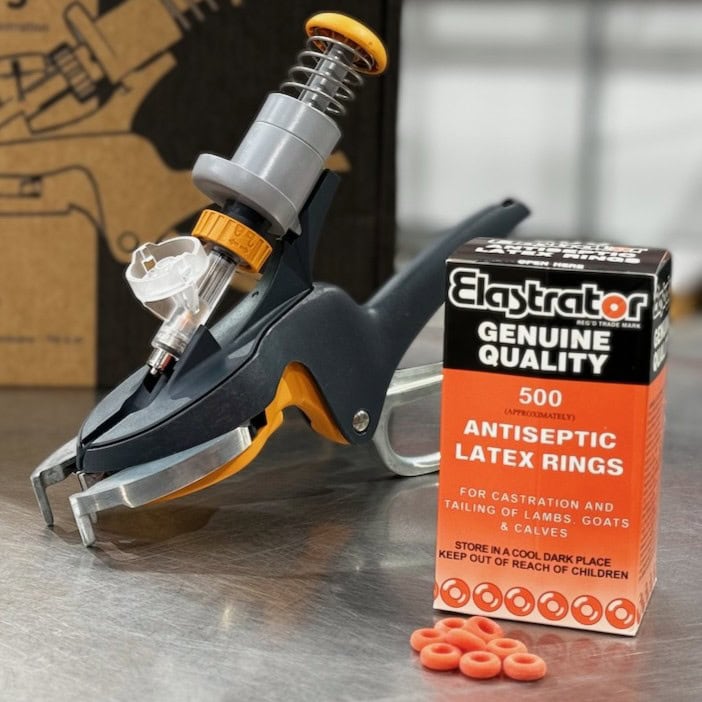
So, from the outset, Numnuts® chose to work with the current system, rather than replace it. The intention was not to introduce a new technique, but to retain the standard method and enhance it for both welfare and the farmer too.
The brief was set. Design an Elastrator® ring applicator whilst simultaneously administering a local anaesthetic that is:
Staying true to the three positive attributes the traditional Elastrator® rubber ring is known for.
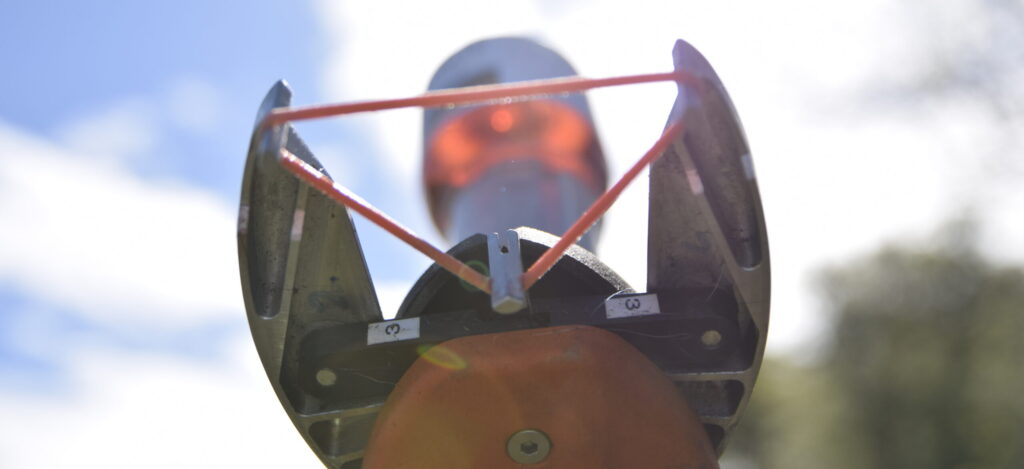
Engineers understood that for farmers to adopt a new technology on their farm, it would be more acceptable to try to improve on an established tool and routine.
Numnuts® works by applying the ring in exactly the same way farmers already know. In applying the ring, there is no new procedure to learn, supporting a straightforward transition to adding a dose of local anaesthetic. In fact, Numnuts® has been designed to improve ring application
A few years ago we wrote an article on how the tool was designed to be easier and more comfortable to use than the traditional pliers.
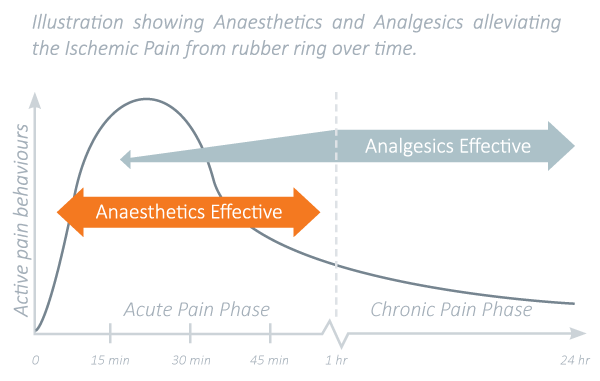
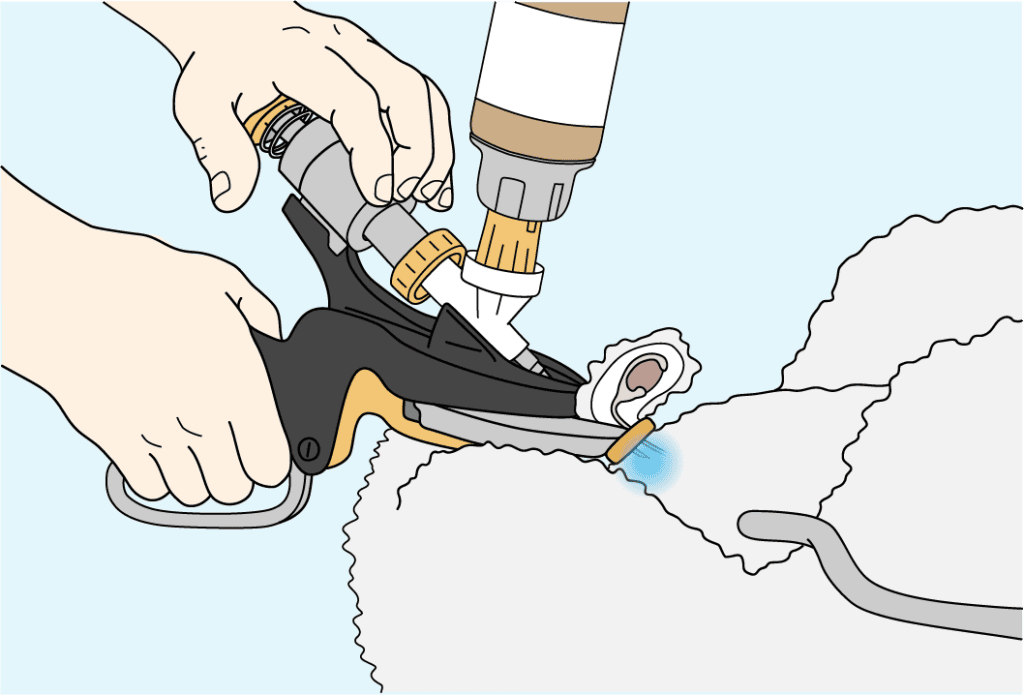
The use of rubber rings such as an ‘The original’ Elastrator® is effective, but it is also associated with acute pain which lasts for the first hour after the ring is applied. Research and industry reports continue to emphasise the importance of addressing this aspect of husbandry. Read here.
Numnuts® integrates the delivery of local anaesthetic directly at the point where the ring is applied. By administering local anaesthetic at the source, the device is designed to reduce the immediate behavioural responses typically observed during marking.
In practical terms, this can result in:
These outcomes align both with welfare objectives and day-to-day flock management efficiency making the use of Numnuts a win for both lamb and farmer too.
Administering local anaesthetic manually using a needle and syringe requires precision, particularly on a moving animal, even when restrained.
The Numnuts device simplifies this process by using the ring itself as a positional guide. This allows the anaesthetic to be delivered consistently at the correct location.
Key elements are pre-set within the device, including:
This removes the need for on-the-spot calculation or estimation, reducing the risk of incorrect administration and improving repeatability across large groups of lambs. Essentially the only difference between the Numnuts® way and the traditional method is that you need to remember to press the injector to administer the local anaesthetic. The whole process quickly becomes second nature.
The development of the Numnuts® system was a collaborative effort, bringing together engineers, scientists, and farmers from the very beginning. This on-farm input was crucial, with local Scottish farmers and those in Australia actively involved in testing and providing feedback at every stage.
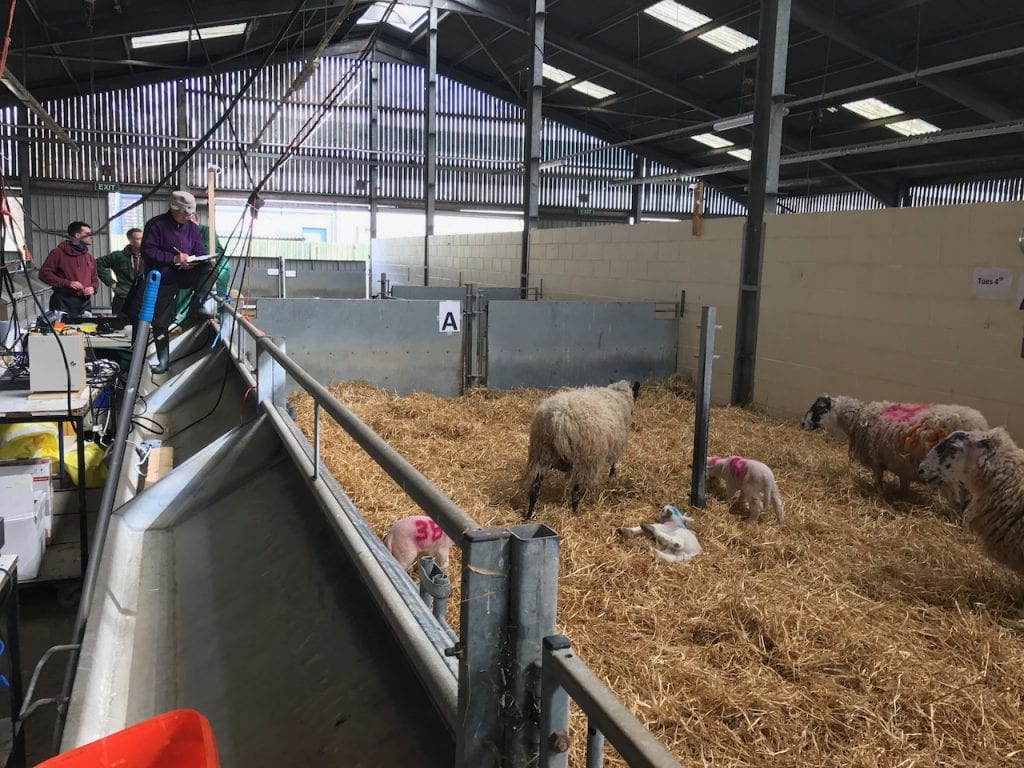
To ensure relevance, early prototypes were rigorously trialled on Scottish hill farms under authentic working conditions. This commitment to testing in the actual operating environment, alongside an extensive iterative process involving over 15,000 lambs across numerous trials, was central to refining both the system’s performance and its ease of use.
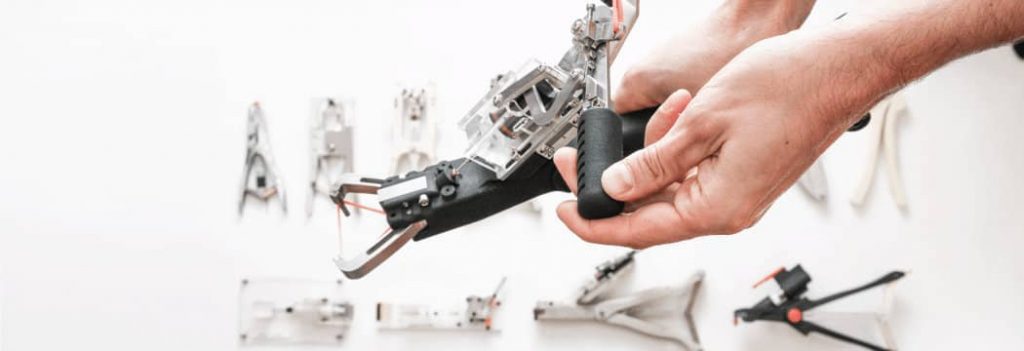
Direct farmer feedback was instrumental in shaping key practical features, resulting in a design that offers:
These features address the high demands of large-scale lamb marking systems, where efficiency and reliability are paramount, while remaining perfectly suitable for smaller crofting operations.
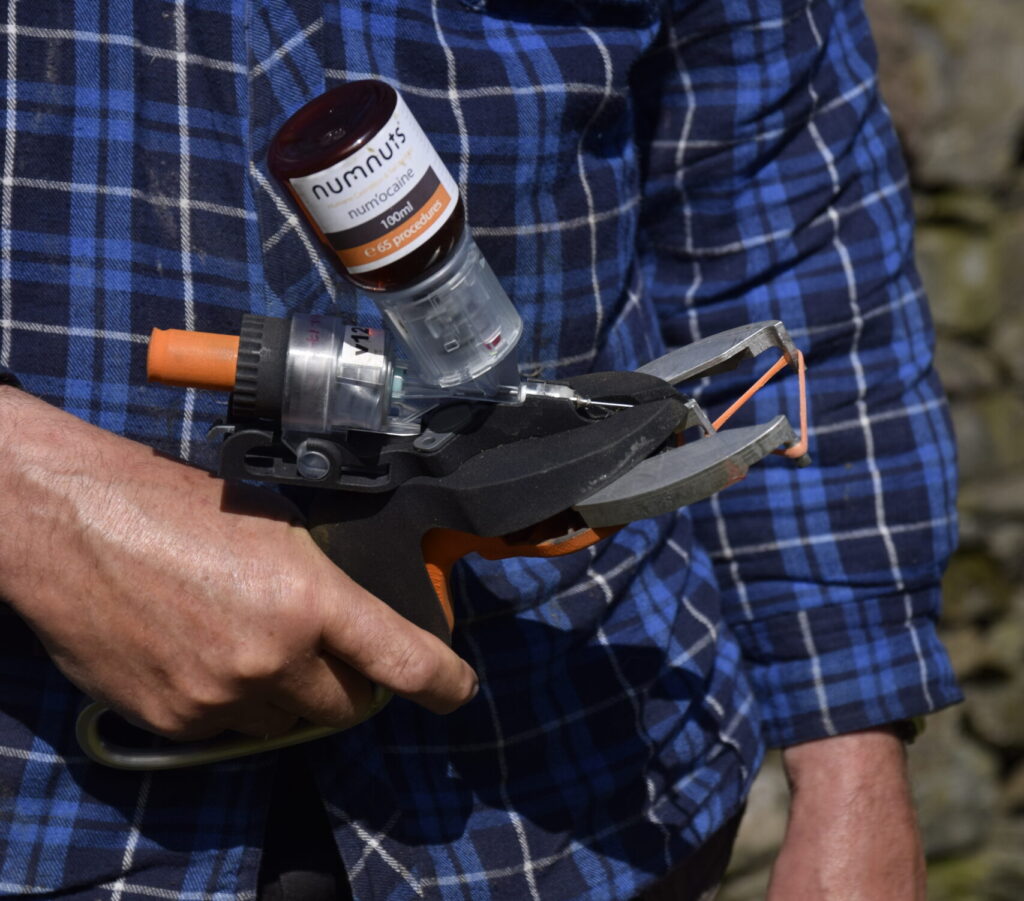
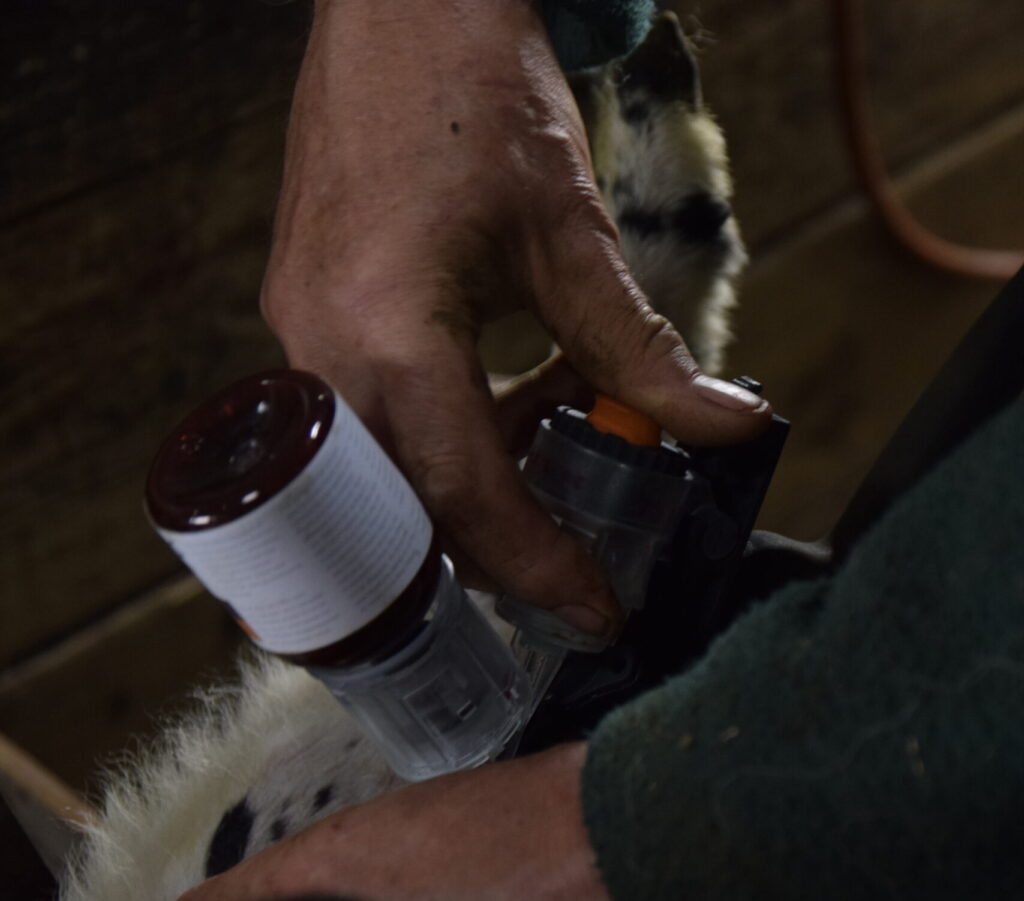
Numnuts® also allows farmers the flexibility to legally perform castration and tail docking later than traditionally done, conveniently scheduling them to coincide with other essential procedures such as tagging, vaccinations, and worming. For a more detailed discussion on this “optimal timing for procedures,” please refer to our related article: Advancing Lamb Welfare: The Introduction of Numnuts® to UK Agriculture.
Furthermore, the system promotes better ergonomics and usability for the farmer. To complement this improved workflow, we see increasing adoption of modern lamb handling equipment and pen systems that enhance farmer welfare by reducing the need to bend over and ensuring lambs are safely restrained. To support your workflow and handling needs, accessories are available in our store, including our Elastrator® Ring Dispenser and Te Pari chutes.
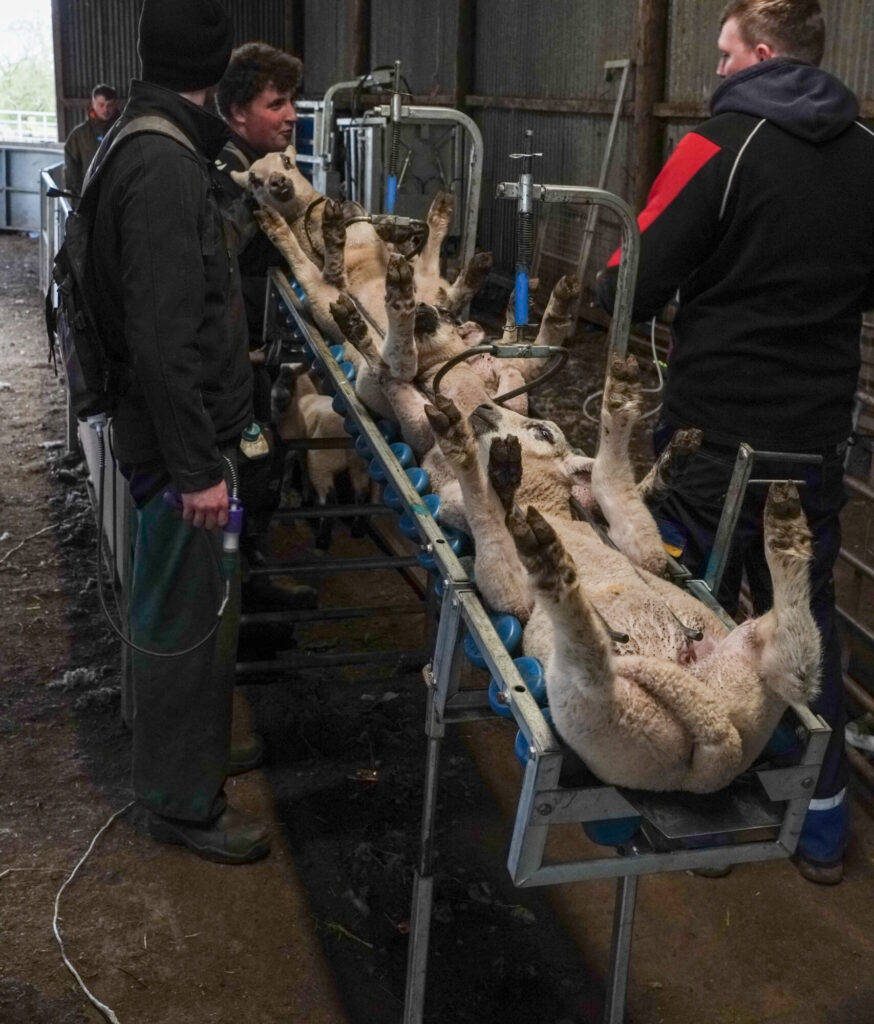
The development of Numnuts® reflects a pragmatic approach to improving lamb welfare — one that works within existing systems rather than replacing them.
By combining a familiar method of the rubber ring with targeted pain relief, the device supports both animal welfare and practical farm management. As industry expectations continue to evolve, solutions that balance these priorities are likely to play an increasingly important role.
In this context, sometimes the most effective innovation is not to reinvent the wheel, but to build on what already works and make it better.
Register My Interest and Become Eligible to Distribute NumOcaine