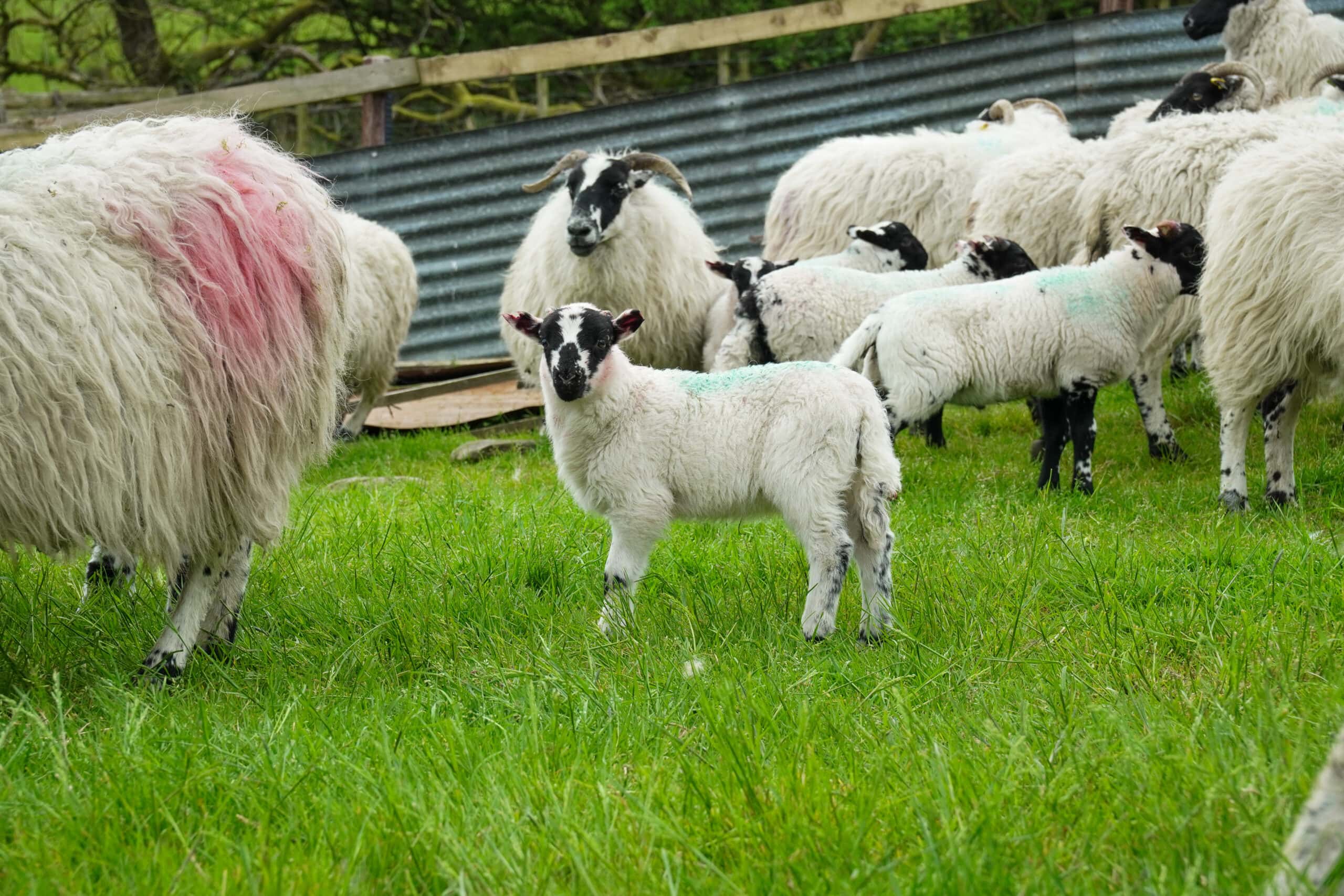
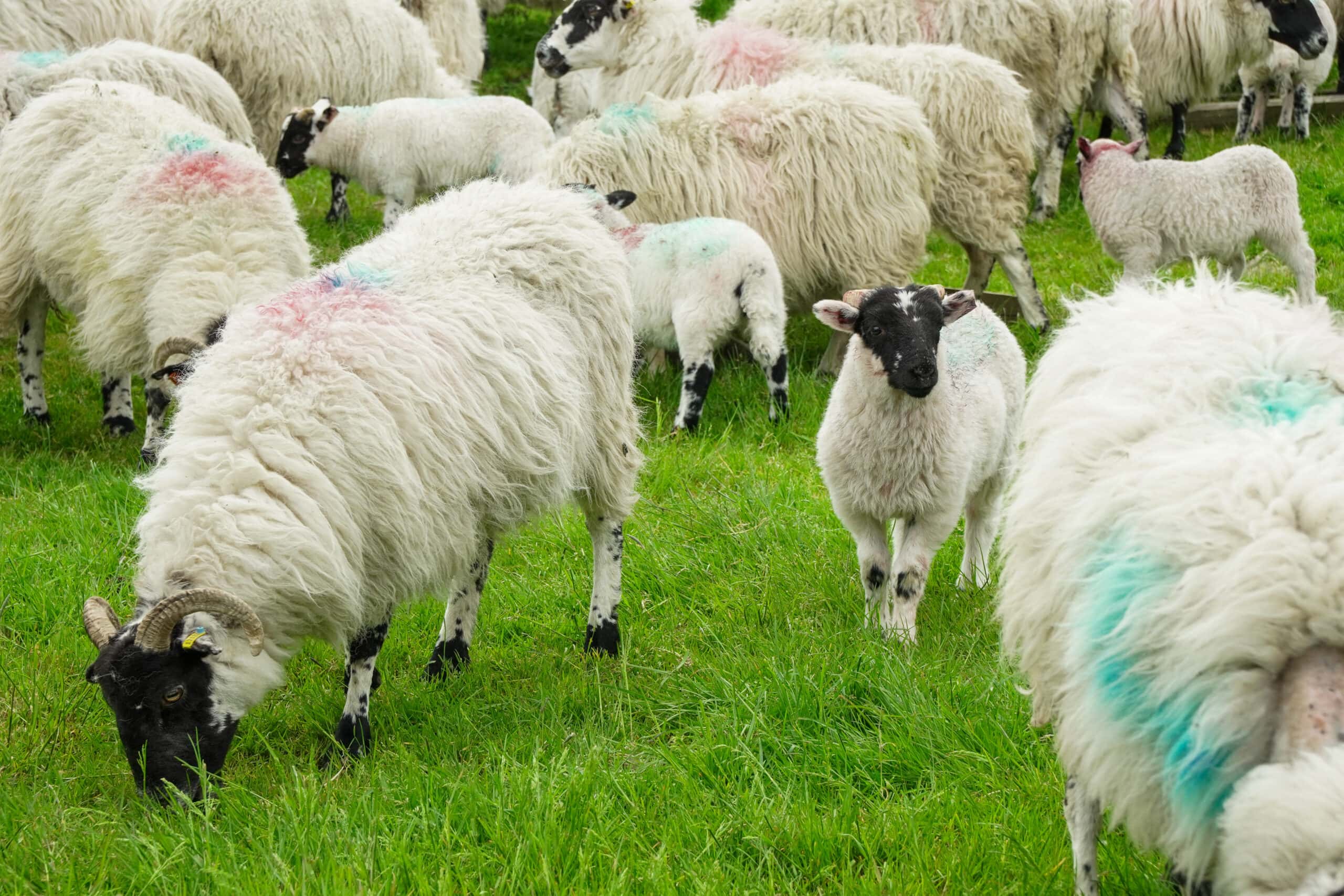
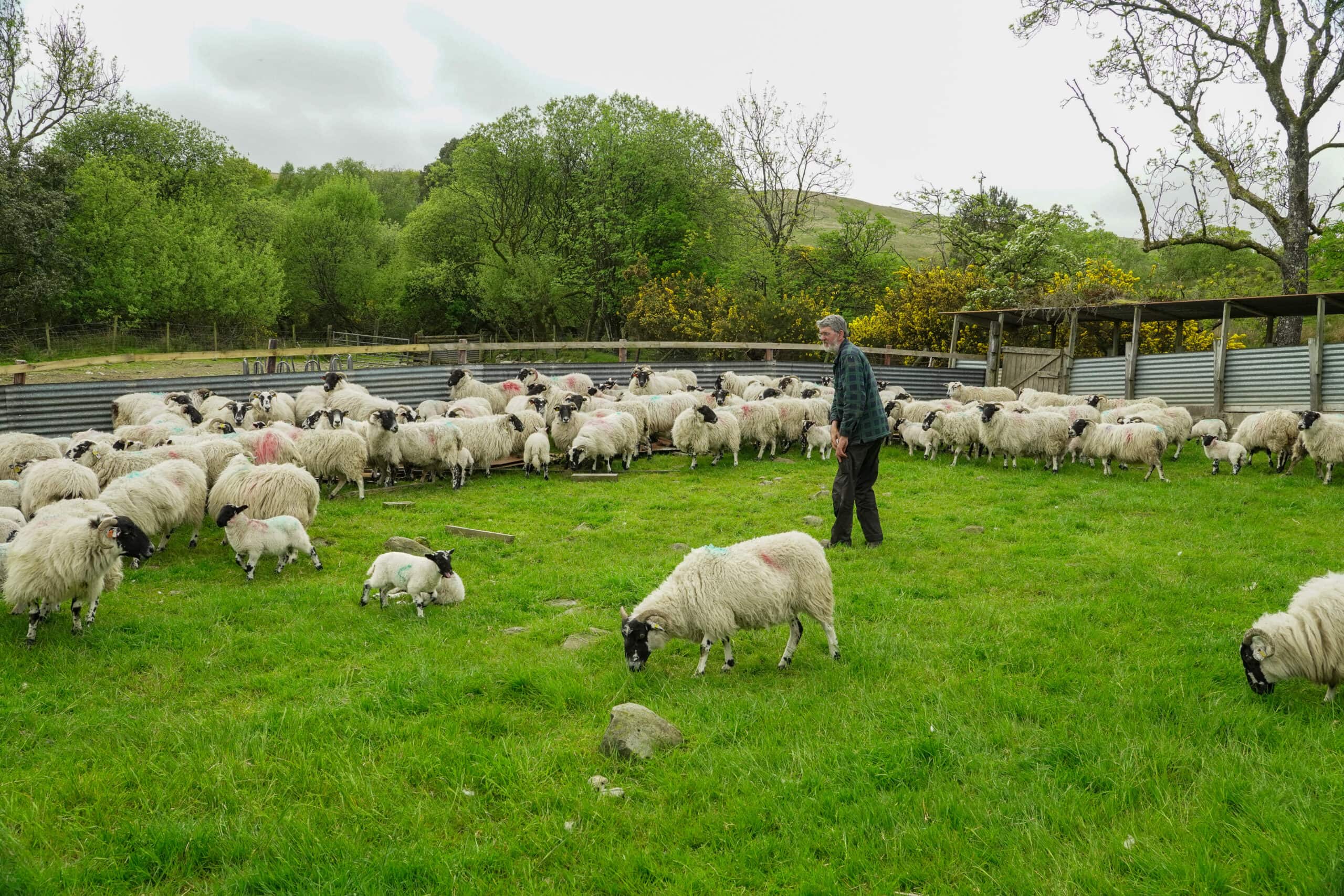
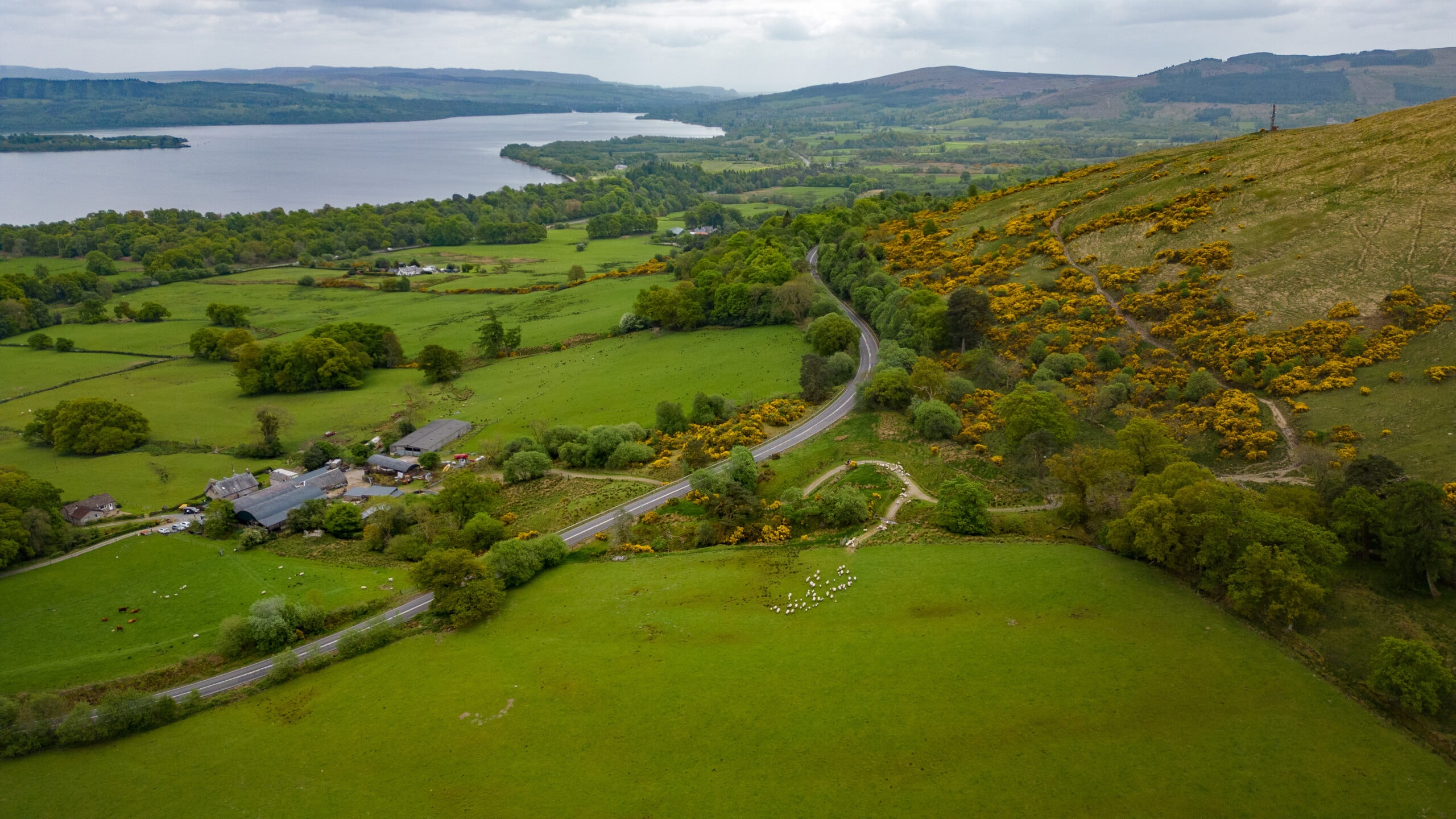
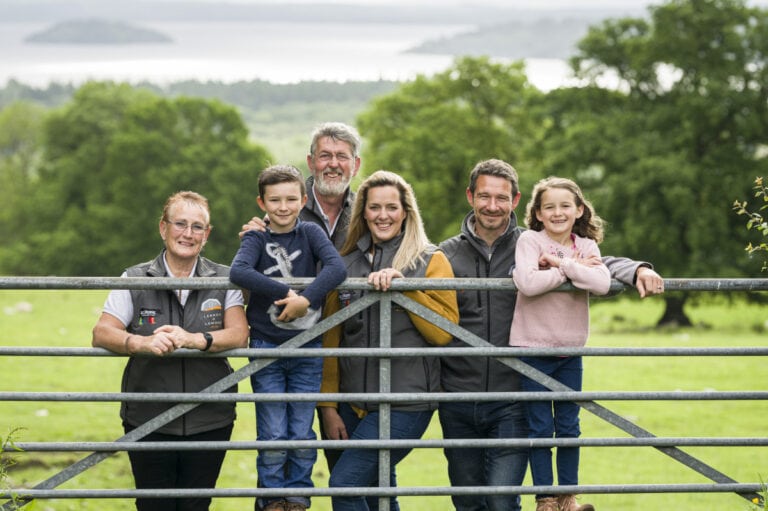
Set in the rolling hills of the Teviot Valley near Hawick, Whitchesters Farm is a proud part of a long-standing farming tradition. Managed by Andrew Tullie, the farm spans 344 hectares and supports a flock of 500 EasyCare ewes alongside 130 Galloway suckler cows. As a fully organic enterprise, Andrew’s focus is clear: low-intervention farming, easy-to-manage livestock, and long-term profitability.
But like many progressive farmers, Andrew is always looking for ways to refine his system—especially when it comes to animal welfare and efficiency.
“It obviously reduces the pain, and you can see that straight away,” he says. “The lambs are definitely happier—it’s visible in how they behave after the procedure.”
Andrew Tullie
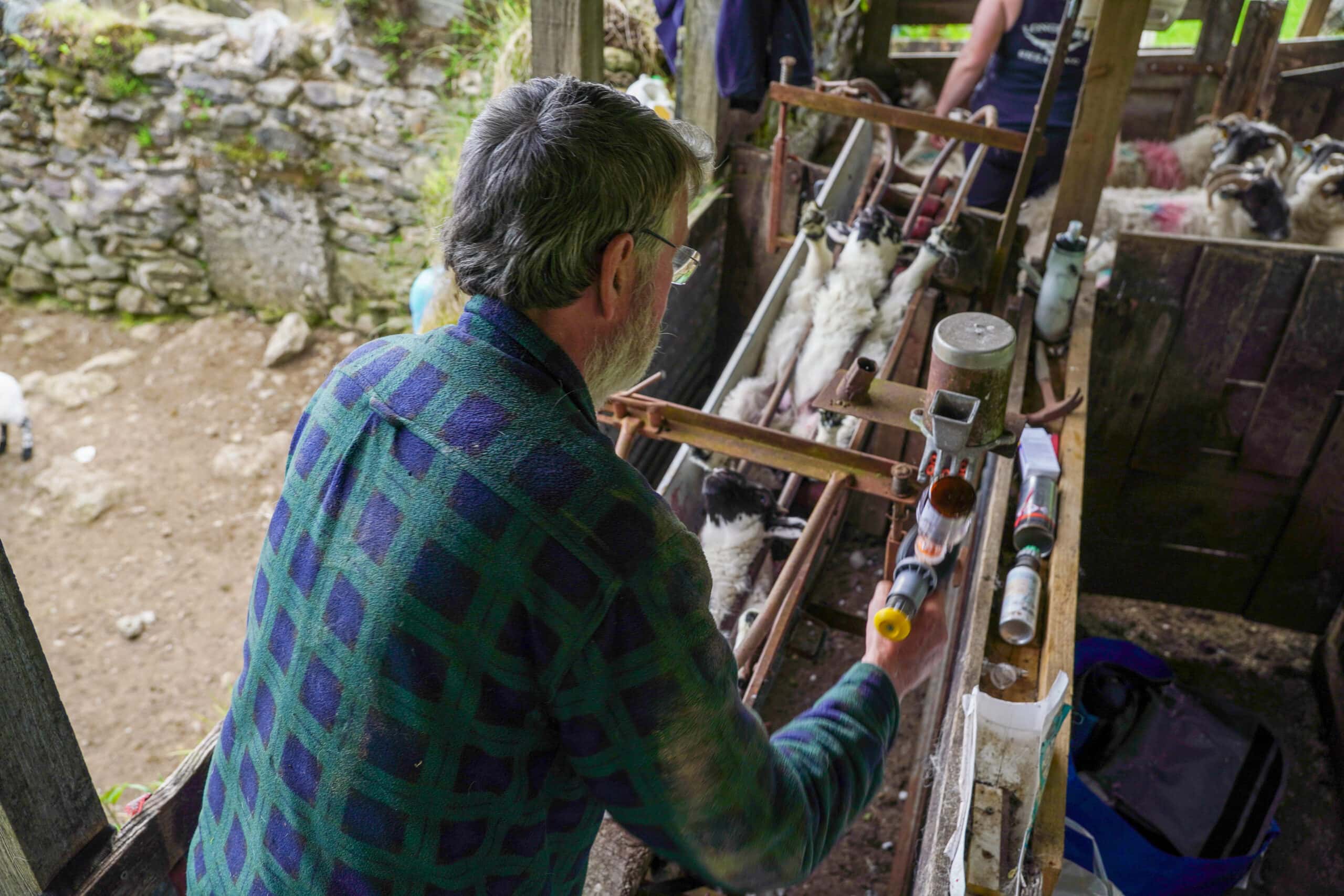
At Whitchesters, lambing is done entirely outdoors. While this approach aligns perfectly with Andrew’s low-intervention philosophy, it presents practical challenges—particularly when it comes to routine procedures like tailing and castration.
“We lamb everything outside, so it’s not practical to apply rings at an early age,” Andrew explains. “Instead, we gather everything up around the end of May or beginning of June, when the lambs are usually between four and six weeks old.”
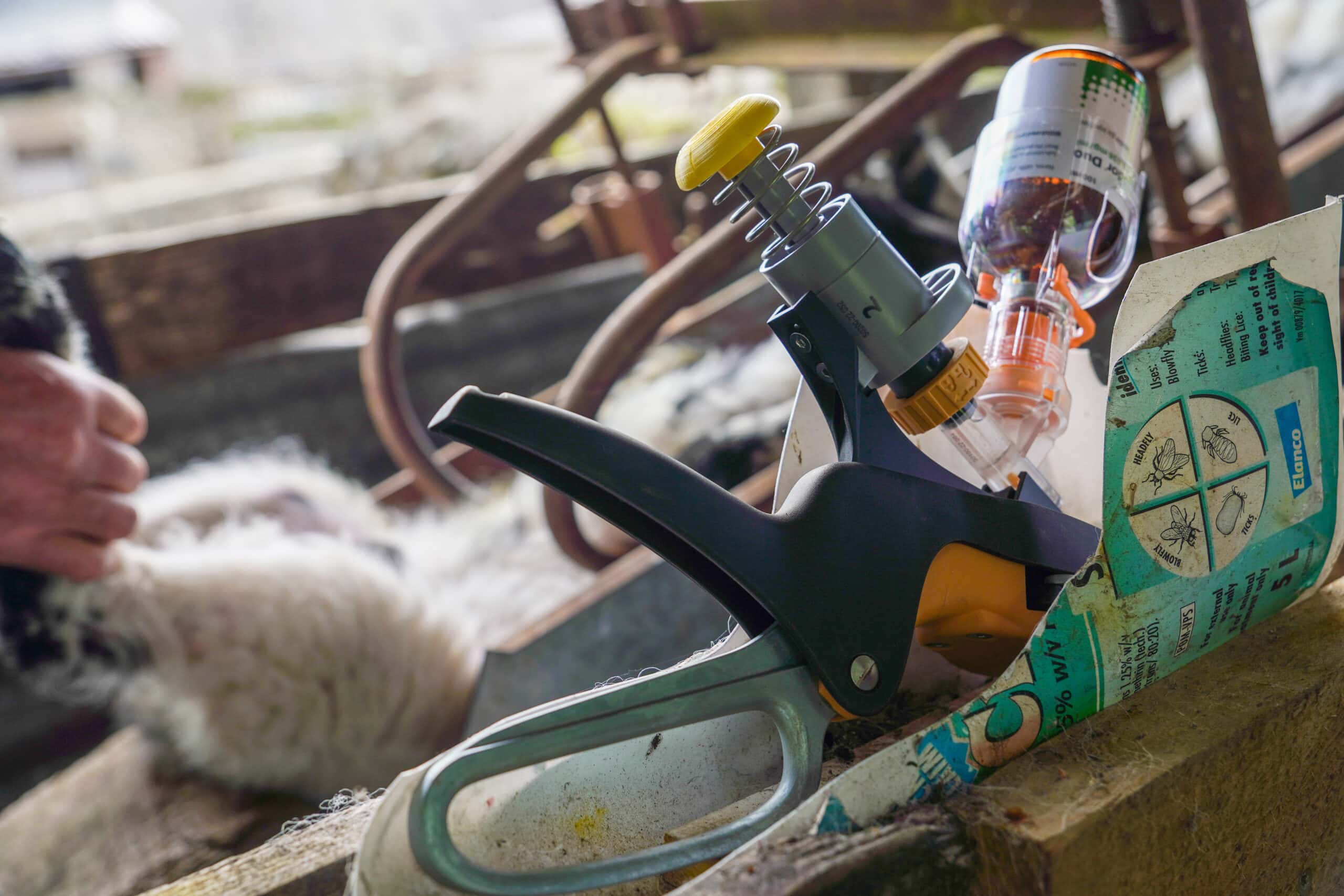
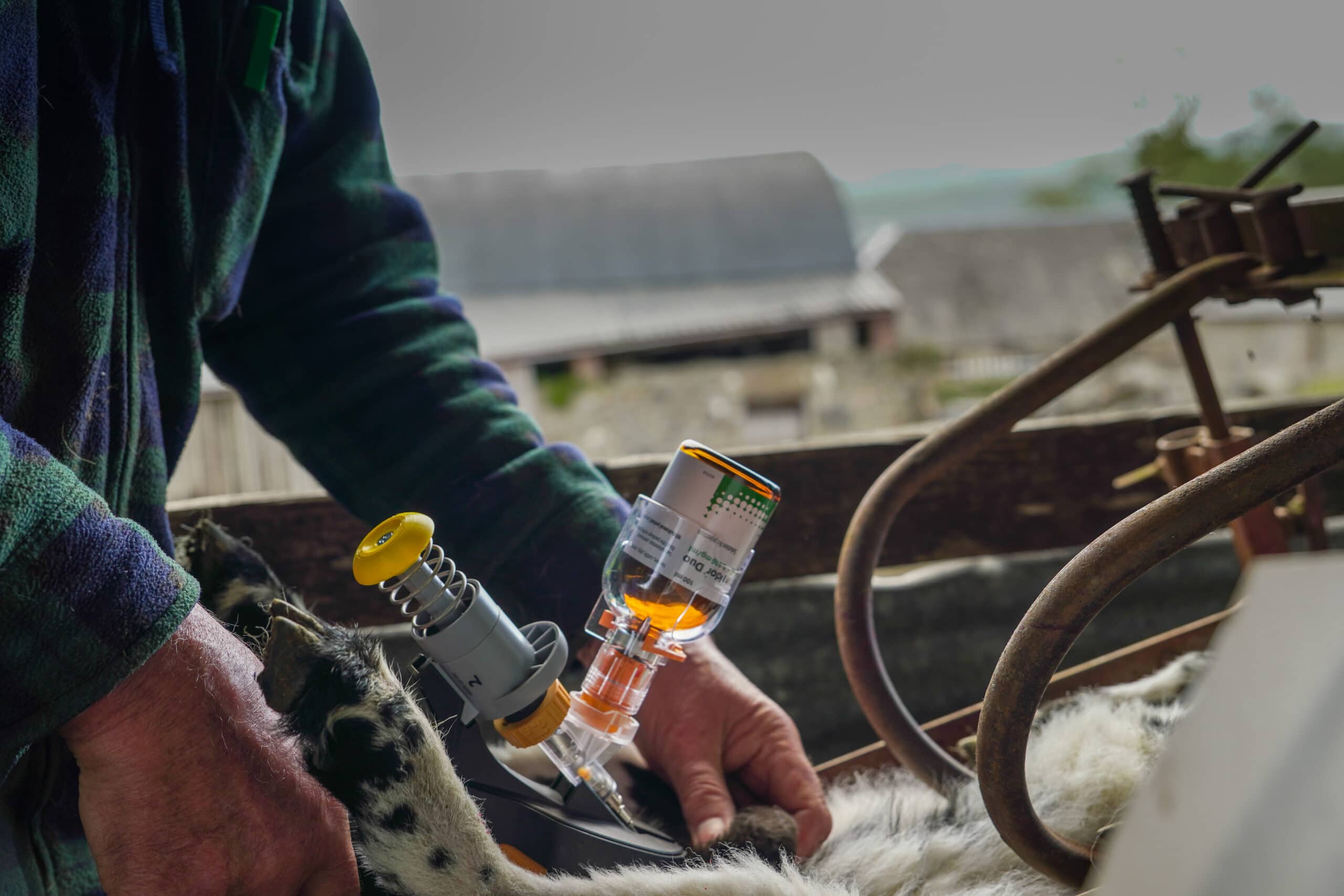
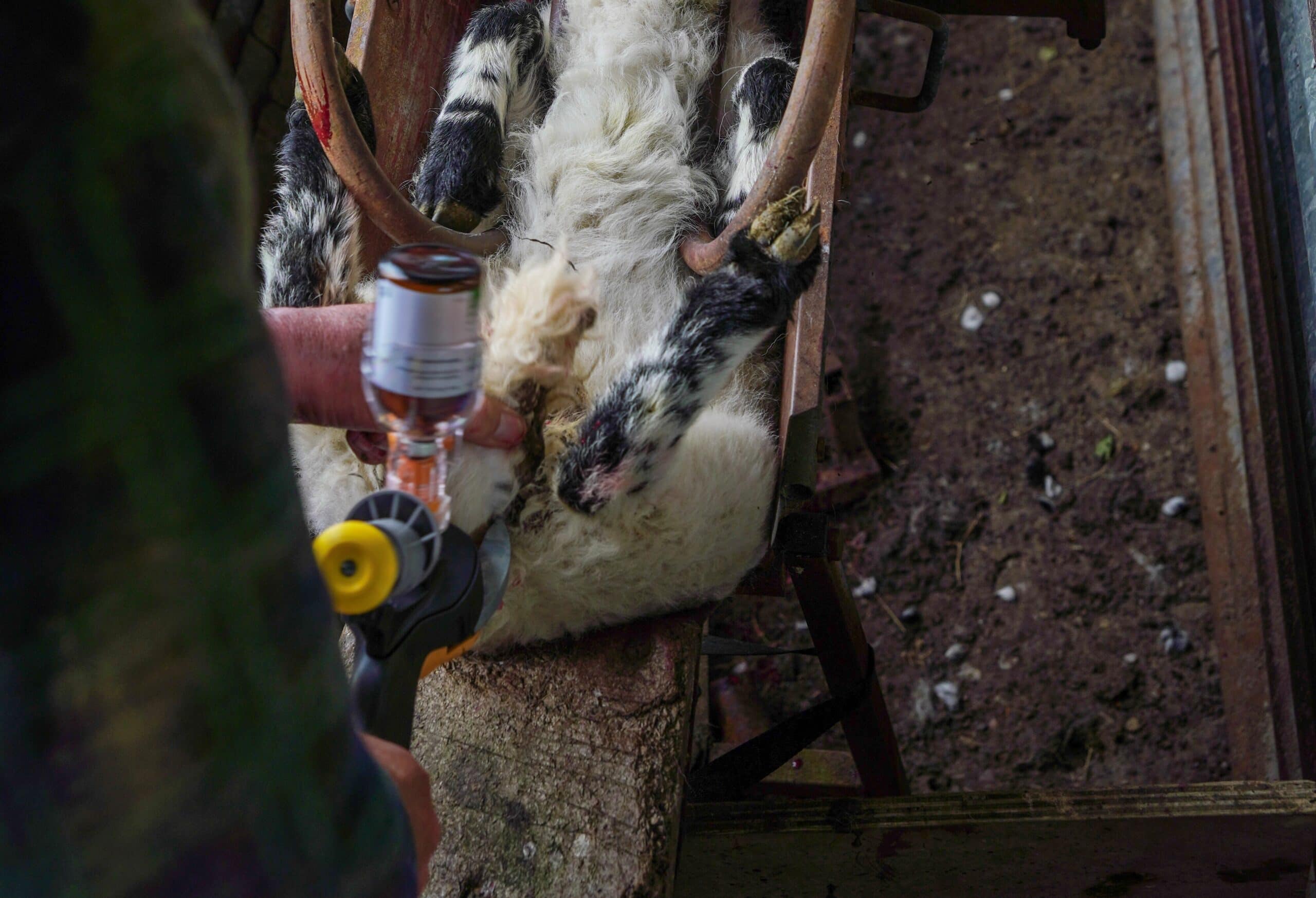
This later handling window meant that injecting local anaesthetic with a needle and syringe before applying a rubber ring—were not only time-consuming but added complexity to an already busy period.
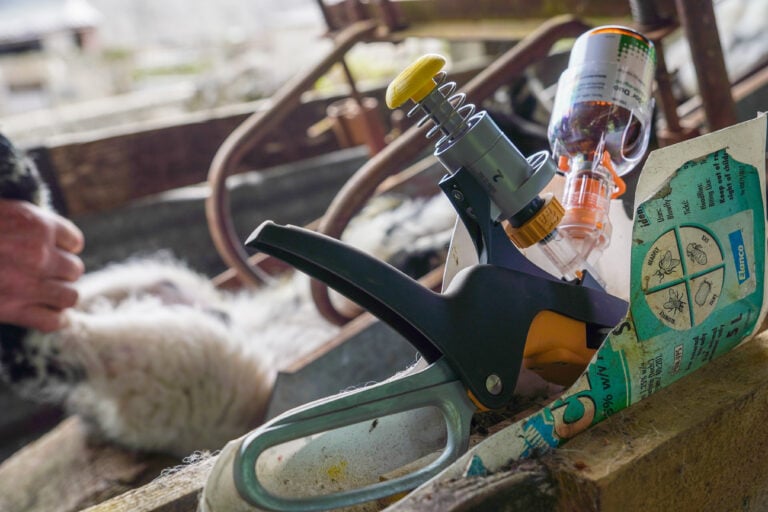
“Thanks to Numnuts, we’ve seen a noticeable improvement in the condition of our lambs after marking. We can confidently move a large mob of lambs back up into the hill on the same day without worrying about miss-mothering. This is more efficient, saving significant time and labour, especially with thousands of lambs to manage.”
Bobby Lennox